Krishna Janmashtami and the Vibrant Culture of Gujarat
Posted on 28 Jul 2025, 12:01 PM | 36 views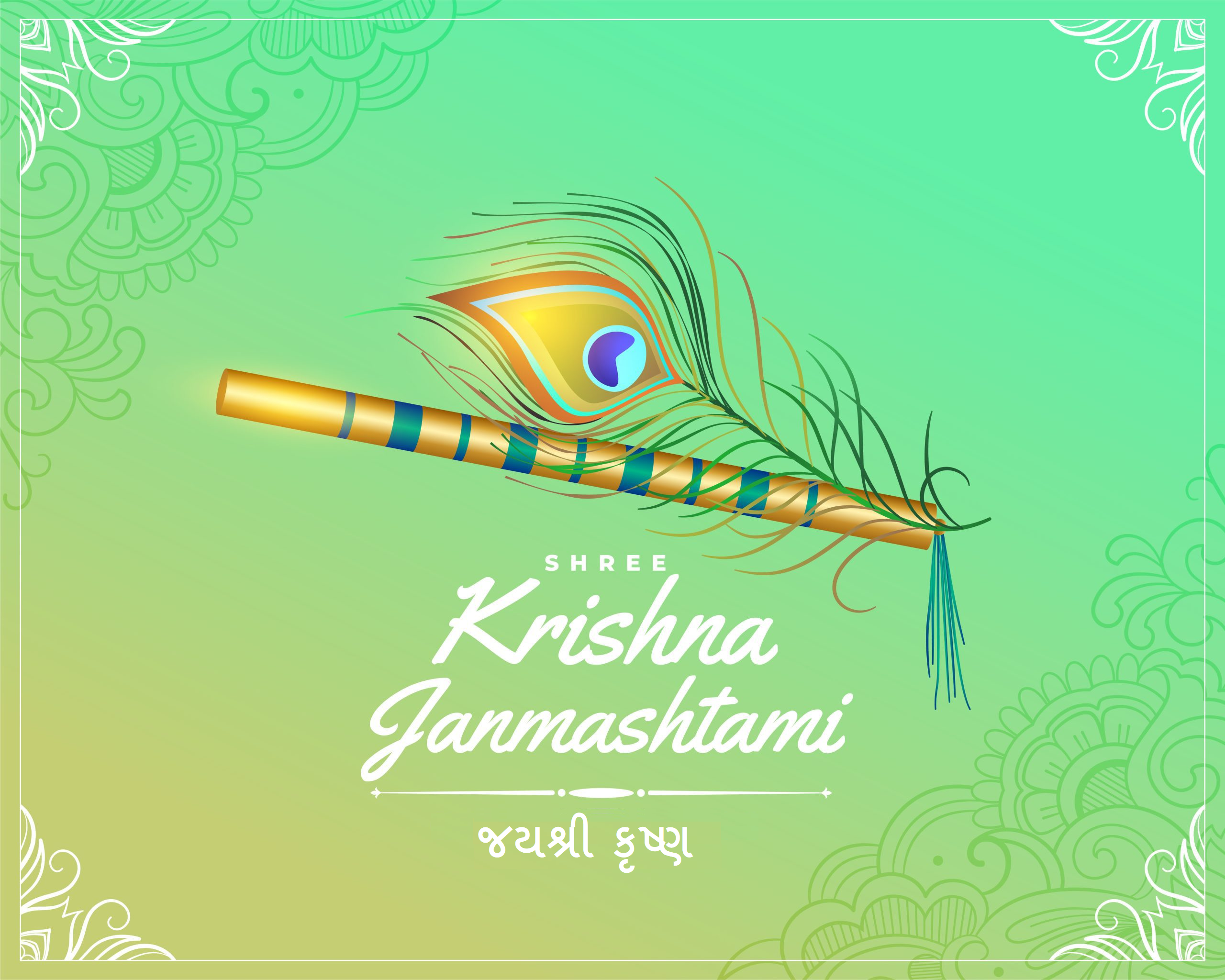
Krishna Janmashtami, the divine celebration of Lord Krishna’s birth, holds a special place in the hearts of people across India. But in Gujarat, this festival is not just a celebration — it’s a living tradition that reflects the state's deep cultural roots, spirituality, and colorful spirit.
✨ The Spirit of Janmashtami in Gujarat
In Gujarat, especially in Dwarka — one of the Char Dham pilgrimage sites and the ancient kingdom of Lord Krishna — Janmashtami is celebrated with unmatched devotion and grandeur. The temples are adorned with lights and flowers, and devotees gather to chant bhajans, perform aartis, and witness dramatic reenactments of Krishna’s life through Rasa Leela and Krishna Leelas.
Culture Comes Alive
Gujarat’s cultural richness shines during Janmashtami:
Garba & Dandiya Raas: While typically associated with Navratri, these traditional folk dances also find space during Janmashtami nights, especially in villages and temple courtyards.
Bhavai & Folk Theatre: Traditional performances retelling stories from Krishna’s life engage audiences and preserve oral storytelling traditions.
Costume Processions: Children dressed as Krishna, Radha, and Gopis add charm to the day’s celebrations, creating a deep connection with the mythological roots.
Dwarka: The Eternal City of Krishna
The Dwarkadhish Temple becomes the epicenter of celebrations. Thousands of pilgrims from Gujarat and across India visit the temple to offer prayers at the exact stroke of midnight — believed to be the divine hour of Krishna’s birth. The Mangla Aarti and Janmotsav (birth ceremony) are profoundly moving spiritual experiences.
Dahi Handi Tradition
In the cities of Gujarat like Rajkot, Dwarka, Ahmedabad, Surat, Vadodara etc., the Dahi Handi tradition brings communities together, as young men form human pyramids to break the earthen pot hanging high — symbolizing Krishna’s love for butter and teamwork among the youth.
Traditional Gujarati Touch
During Janmashtami, people wear traditional bandhani sarees, kediyu-chorno, and other ethnic attire. Homes are decorated with rangolis, torans, and Krishna footprints made with rice flour — inviting the divine into their hearts and homes.
Conclusion
Krishna Janmashtami in Gujarat is more than a festival — it is a fusion of devotion, dance, music, and culture. It is a reflection of how ancient traditions continue to thrive in modern times, keeping Gujarat spiritually rich and culturally vibrant.
Leave a Comment (Gmail only)
Comments (0)
No comments yet.