Education goes far beyond textbooks, lesson plans, and standardized testing. At its core, teaching is a deeply human experience—a daily series of connections built between an educator and their students. Among all the pedagogical tools, communication strategies, and teaching methodologies available today, one of the most transformative tools costs nothing and requires no technical setup: a genuine smile.
1. Creating a Safe and Welcoming Learning Environment
For a student, entering a classroom can sometimes feel intimidating or overwhelming. A warm, welcoming smile from an educator immediately signals safety, empathy, and acceptance.
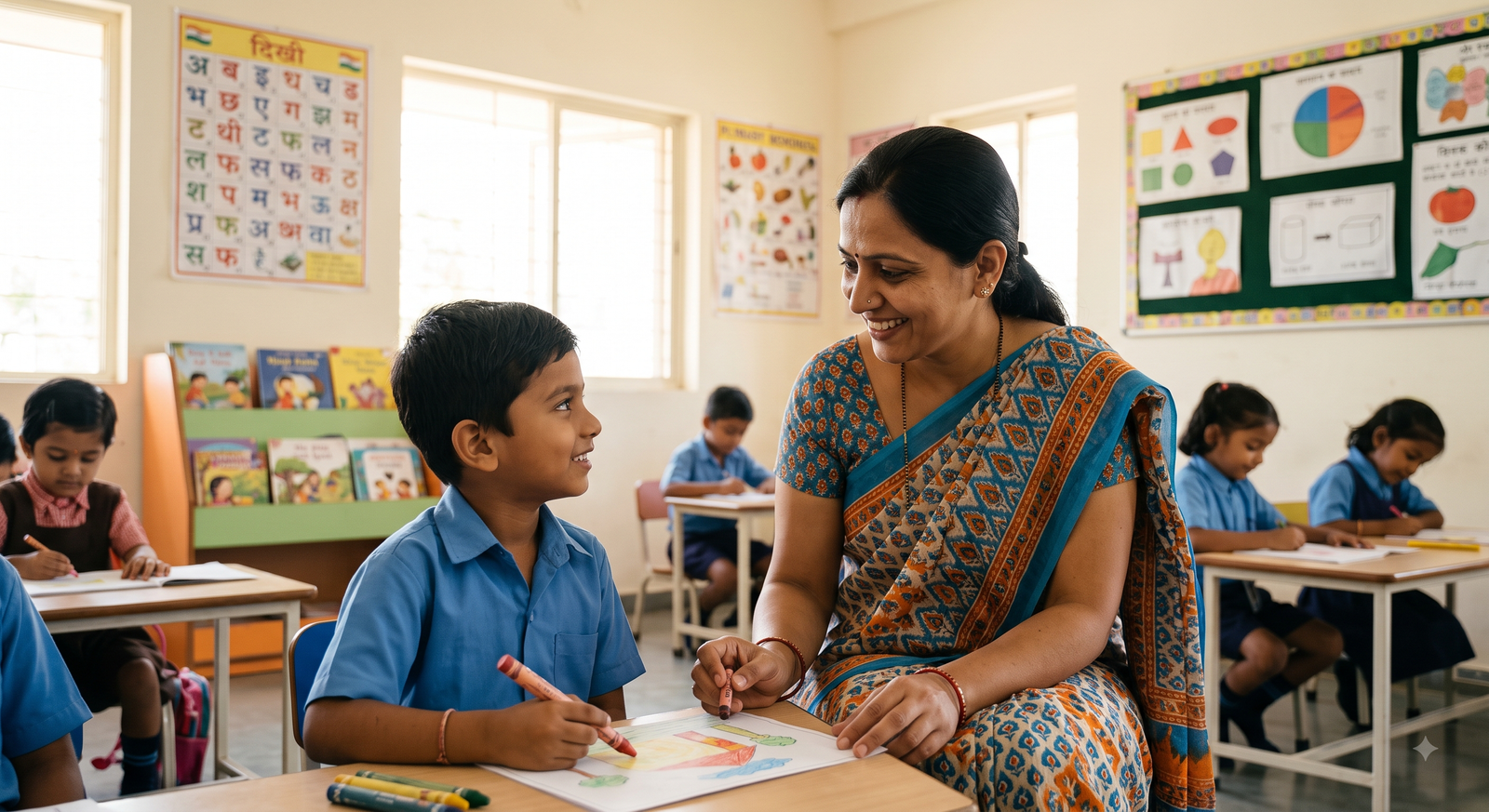
When students feel safe and supported, their stress levels drop. Neuroscientifically, a relaxed brain is far more receptive to absorbing new information, taking creative risks, and participating actively. A simple smile breaks down invisible barriers and builds a foundation of trust before a single lesson even begins.
2. The Ripple Effect: Positivity is Contagious
Emotions are contagious in any learning environment, and the educator sets the emotional tone of the classroom. Facial expressions trigger mirror neurons in students, influencing their mood and mindset.
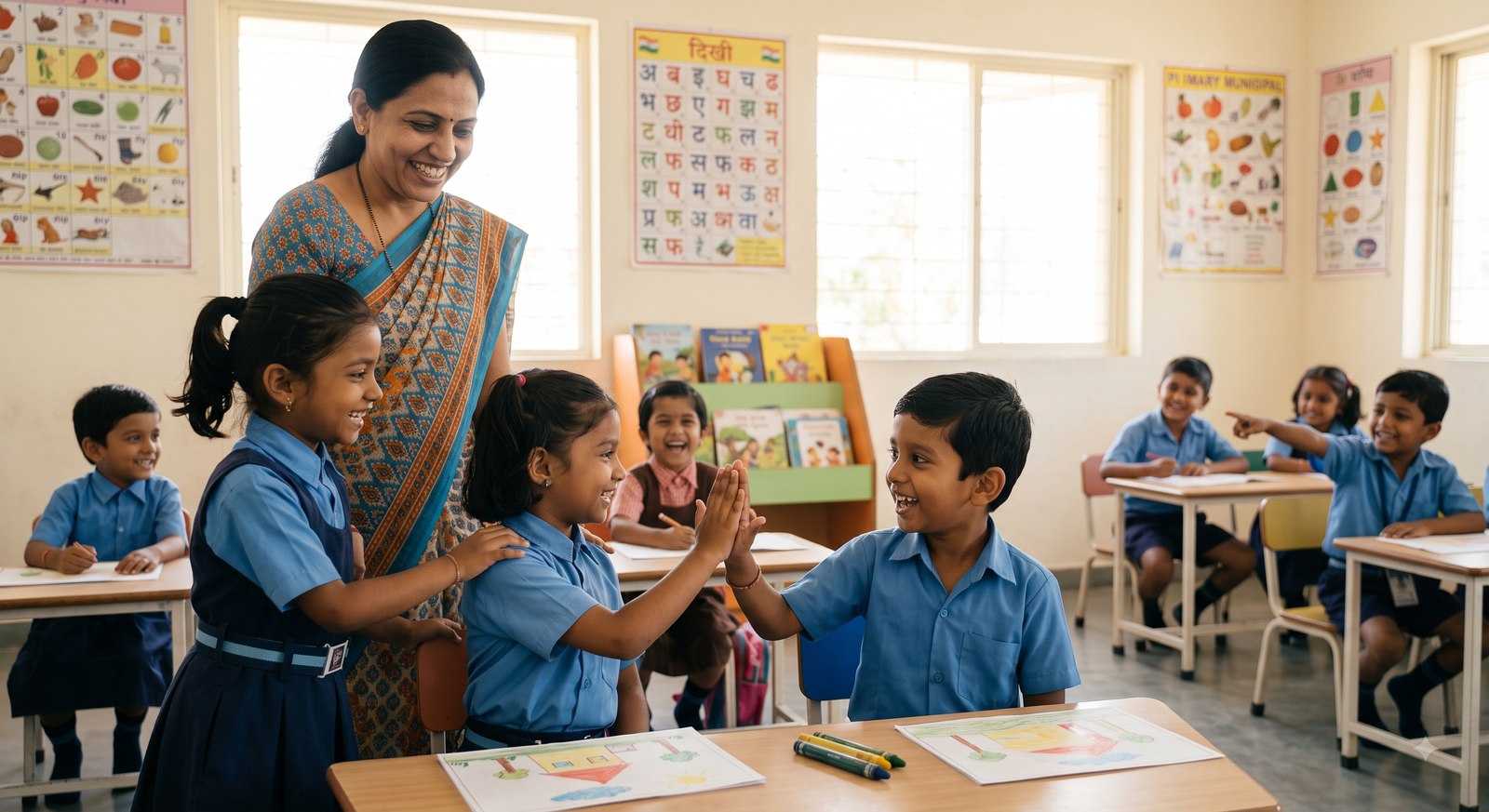
When an educator greets students with enthusiasm and a smile, it fosters an uplifting atmosphere where enthusiasm spreads naturally. It turns an ordinary classroom into a vibrant community where curiosity can thrive.
3. Humanizing the Educator-Student Relationship
Students don't just learn subjects; they learn from people. A smile communicates approachability. It lets students know that their teacher is accessible, ready to listen, and understands that making mistakes is part of the growth process.
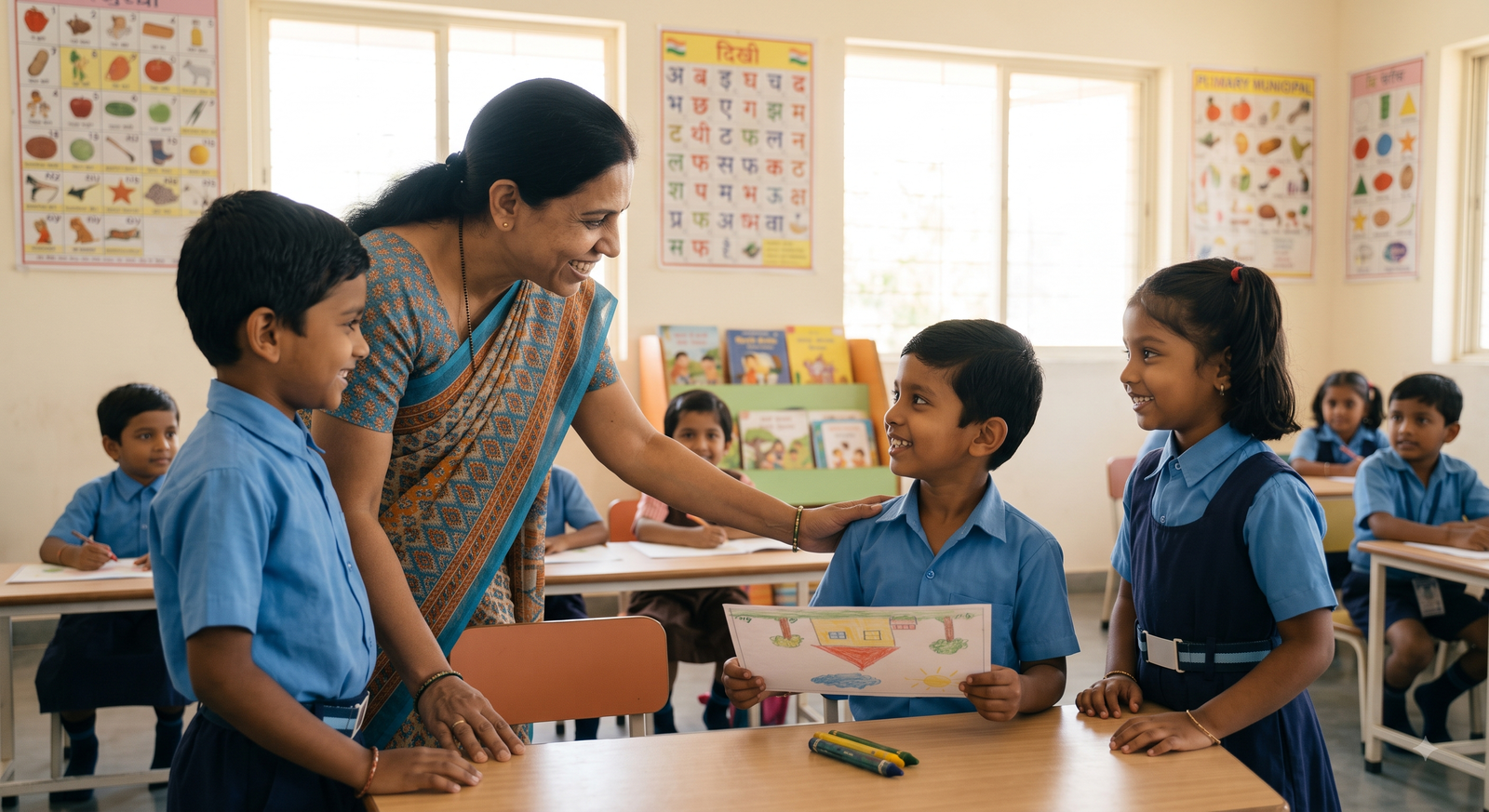
When students feel comfortable approaching their mentor without fear of judgment, they are much more likely to ask questions, seek help when struggling, and engage in meaningful discussions.
4. Building Resilience During Challenges
Learning often involves frustration, confusion, and temporary setbacks. During moments when a student feels defeated, a reassuring smile coupled with words of encouragement can work wonders. It sends a silent yet powerful message: "I believe in you, and we will work through this together."
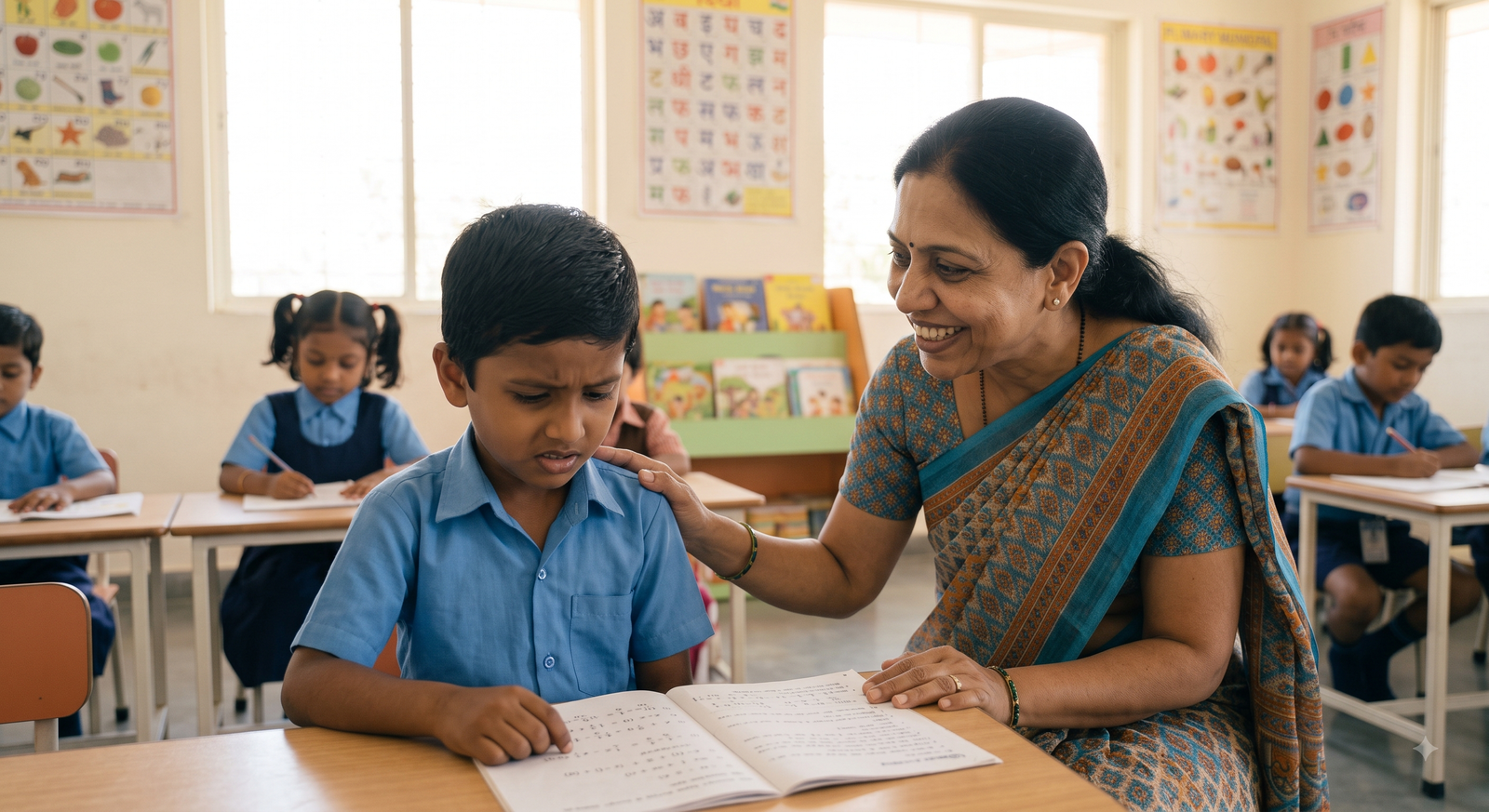
This small act builds emotional resilience, helping students view challenges not as roadblocks, but as opportunities to learn and grow.
Conclusion: A Small Gesture with a Lifelong Impact
Long after students forget specific dates, formulas, or definitions, they remember how their teachers made them feel. A warm smile is a universal language of kindness, encouragement, and confidence.
To all educators: never underestimate the profound impact your smile can have. It has the power to brighten a student's day, restore their confidence, and spark a lifelong love for learning.